Sustainable Tech: The Resale Value of 2026 PC Components
For years, the conventional wisdom in the PC community was simple: as soon as you open the box, your components lose 30% of their value. By year three, you’re lucky to get pennies on the dollar.
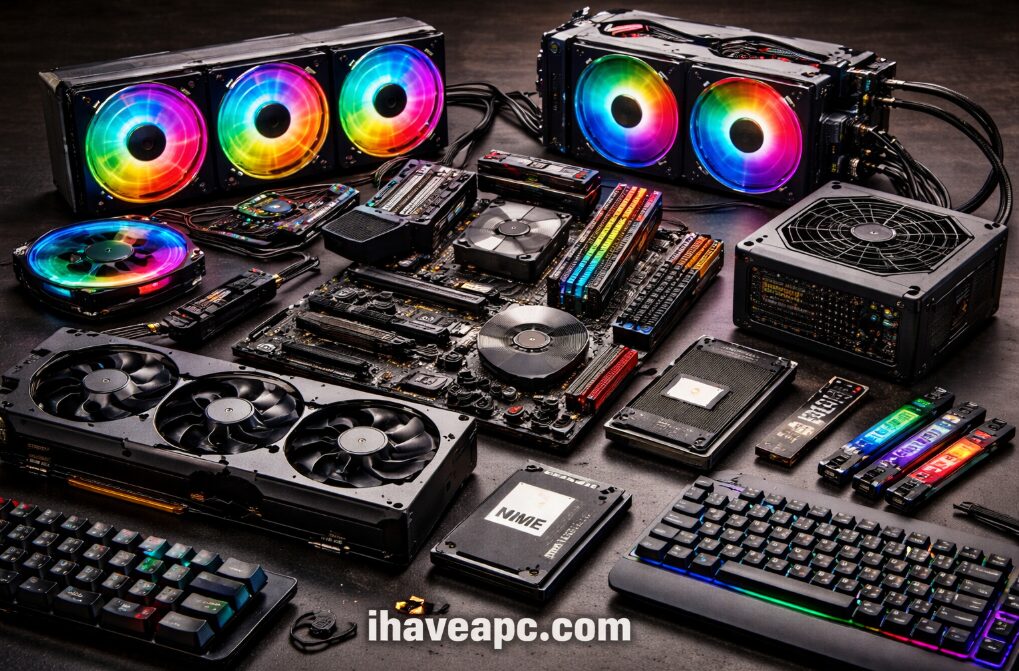
But as we navigate the landscape of February 2026, that rule has been unceremoniously tossed out the window. Between the “RAMpocalypse” memory shortages and the insatiable appetite for AI-capable hardware, your PC has transitioned from a depreciating hobby into a resilient financial asset.
Whether you are looking to sell your old rig or build a new one with “exit value” in mind, here is the state of PC resale value in 2026.
The “RAMpocalypse” and the Return of the Commodity
In an ironic twist of fate, the most boring parts of your PC—RAM and SSDs—have become the most stable stores of value.
In late 2025, major manufacturers like Samsung and SK Hynix pivoted their production toward High Bandwidth Memory (HBM) to feed the AI data center beast. This left the consumer market with a massive deficit. As of today, a 32GB kit of DDR5 that you might have snagged for $90 in early 2024 is often fetching $200+ on the used market.
Resale Value Snapshot: Memory & Storage
| Component | 2026 Resale Strength | Why? |
| DDR5 RAM (32GB+) | Extreme High | Scarcity. AI PCs require a 16GB floor; 32GB is the new “gold standard.” |
| DDR4 RAM | Moderate High | Legacy support. Many users are sticking to older platforms to avoid the “DDR5 tax.” |
| Gen 4/5 NVMe SSDs | High | NAND flash shortages. Even used drives are holding 70-80% of MSRP. |
GPUs: VRAM is the New Oil
If you’re rocking an Nvidia RTX 50-series or an AMD Radeon RX 9000, you’re sitting on a gold mine. But the resale value isn’t just about “frames per second” anymore—it’s about VRAM capacity.
With local AI models (LLMs) and high-resolution textures becoming the norm, the “8GB of VRAM” era is officially dead. On the used market, cards with 12GB or less are seeing aggressive depreciation, while anything with 16GB or 24GB (like the RTX 5090 or the legendary 3090/4090) is retaining value better than almost any other tech product in history.
The 2026 Pro-Tip: If you are buying a GPU today with the intent to sell it in two years, never buy the base VRAM model. The “AI Tax” on the used market means a 16GB card will sell for 40% more than a 12GB card, even if their gaming performance is similar.
The “Socket” Strategy: AMD vs. Intel
From a sustainability and financial perspective, the motherboard is the “backbone” of your investment.
- AMD (AM5 Platform): AMD’s commitment to the AM5 socket through 2026 and beyond has made it the darling of the resale market. A B650 or X670 motherboard from 2024 is still “current” today because a user can drop a brand-new Ryzen 9800X3D into it without a rebuild. This “drop-in” compatibility keeps motherboard prices high.
- Intel (LGA 1851): While the Core Ultra 200S series offers fantastic efficiency, Intel’s historical tendency to switch sockets every two generations makes these boards a harder sell. In 2026, used Intel boards typically sell for 20-30% less than their AMD counterparts of the same age.
The NPU Factor: Is Your PC “AI-Ready”?
2026 is the year of the AI PC. Microsoft’s Copilot+ requirements and the surge in local AI agents mean that if your CPU doesn’t have a dedicated Neural Processing Unit (NPU), it’s considered “Legacy” by many buyers.
If you are selling a PC today, check your Task Manager. If you see an NPU listed with 40+ TOPS (Trillions of Operations Per Second), emphasize that in your listing. High-end “AI-Ready” chips like the Ryzen AI 300 series or Intel’s latest Arrow Lake chips are fetching a premium because they can run the latest Windows features natively.
The “Buy It For Life” Components
While chips and memory fluctuate, two categories remain the “blue chips” of the PC world: Cases and Power Supplies.
1. High-Efficiency PSUs (ATX 3.1+)
With energy costs being a major financial pain point in 2026, 80 Plus Titanium or Platinum rated power supplies are highly sought after. Furthermore, the shift to the ATX 3.1 standard (with the improved 12V-2×6 connectors) means older ATX 2.0 units are finally losing value. If you have a 1000W+ ATX 3.1 unit, it will likely last you a decade and still be worth 50% of its value in 2030.
2. Aesthetics and “Fish Tanks”
The “Fishtank” (dual-chamber glass) case trend hasn’t died; it has evolved. Cases like the Lian Li O11 or Hyte Y-series have incredible resale value because they are “timeless” in the eyes of enthusiasts. A well-maintained, high-airflow case rarely goes out of style.
Sustainability: The Circular Economy
Beyond the dollars and cents, selling your 2026 components is a massive win for the environment. The “Sustainable Tech” movement has gained mainstream traction, with many buyers specifically looking for used parts to reduce their carbon footprint.
To maximize your resale value and stay “Green”:
- Keep the Box: Original packaging isn’t just for collectors; it ensures safe shipping, which prevents “dead on arrival” e-waste.
- Document Efficiency: Include a screenshot of your undervolt settings. In 2026, a “cool and quiet” card is more valuable than one pushed to its thermal limits.
- The Cleanliness Premium: A PC caked in dust isn’t just an eyesore; it implies heat damage. A $10 can of compressed air can add $50 to your total sale price.
Summary: The 2026 Resale Rankings
If you’re looking to liquidate your setup, here is the hierarchy of what’s currently “Hot” vs. “Not”:
- S-Tier (Holds >80% Value): High-VRAM GPUs (RTX 5090/5080), 64GB+ DDR5 Kits, AM5 X3D CPUs.
- A-Tier (Holds 60-70% Value): ATX 3.1 Power Supplies, 4TB+ Gen5 NVMe SSDs, Premium Fishtank Cases.
- B-Tier (Holds 40-50% Value): Mid-range GPUs (12GB VRAM), Intel LGA 1851 Motherboards, AIO Liquid Coolers (pumps have a lifespan!).
- C-Tier (The “E-Waste” Danger Zone): 8GB VRAM GPUs, SATA SSDs, DDR4 budget kits.
To sum it up, the PC market of 2026 is no longer a place where hardware goes to die. It is a thriving secondary market where smart builders can recoup most of their investment by choosing the right sockets and high-capacity memory. You can also breathe life into older PCs by installing lightweight Linux distros.
All done.

How to Stay Safe Banking Online: A Simple Guide

Why Going Analog in 2026 is the Ultimate Power Move