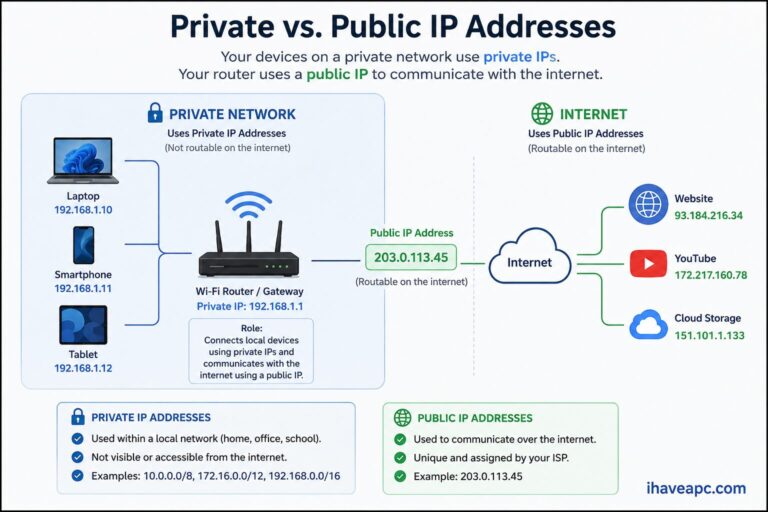
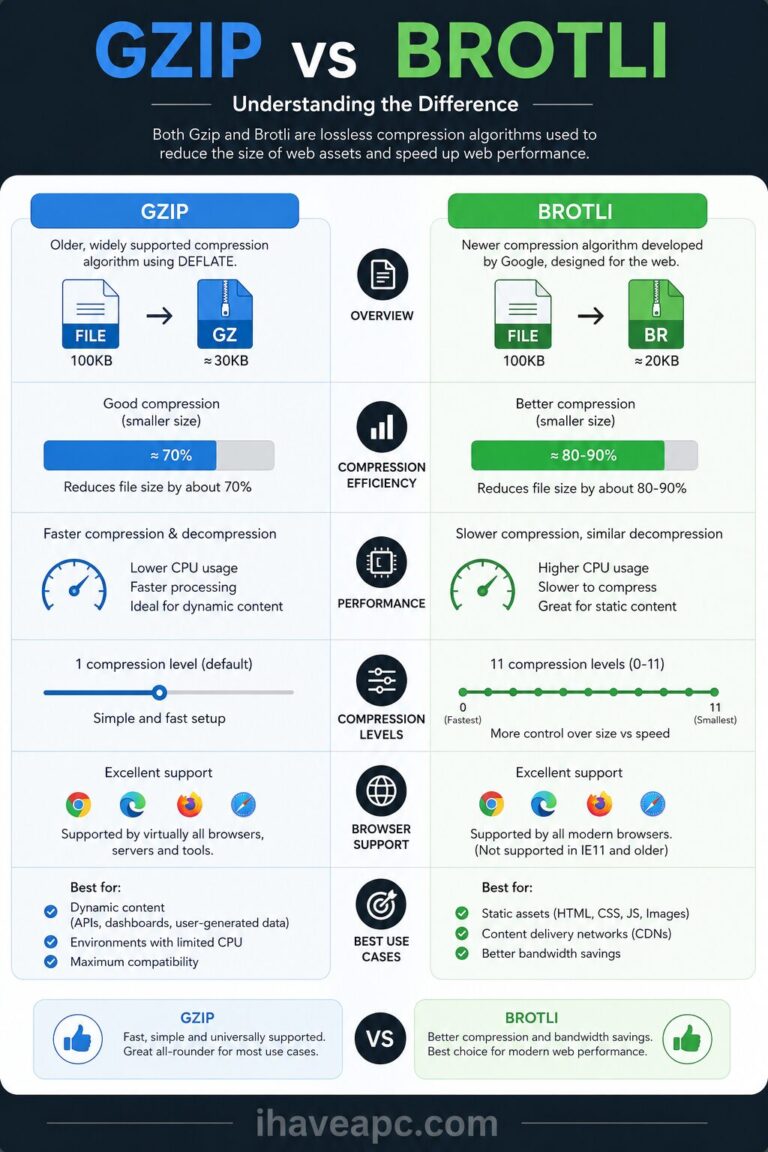
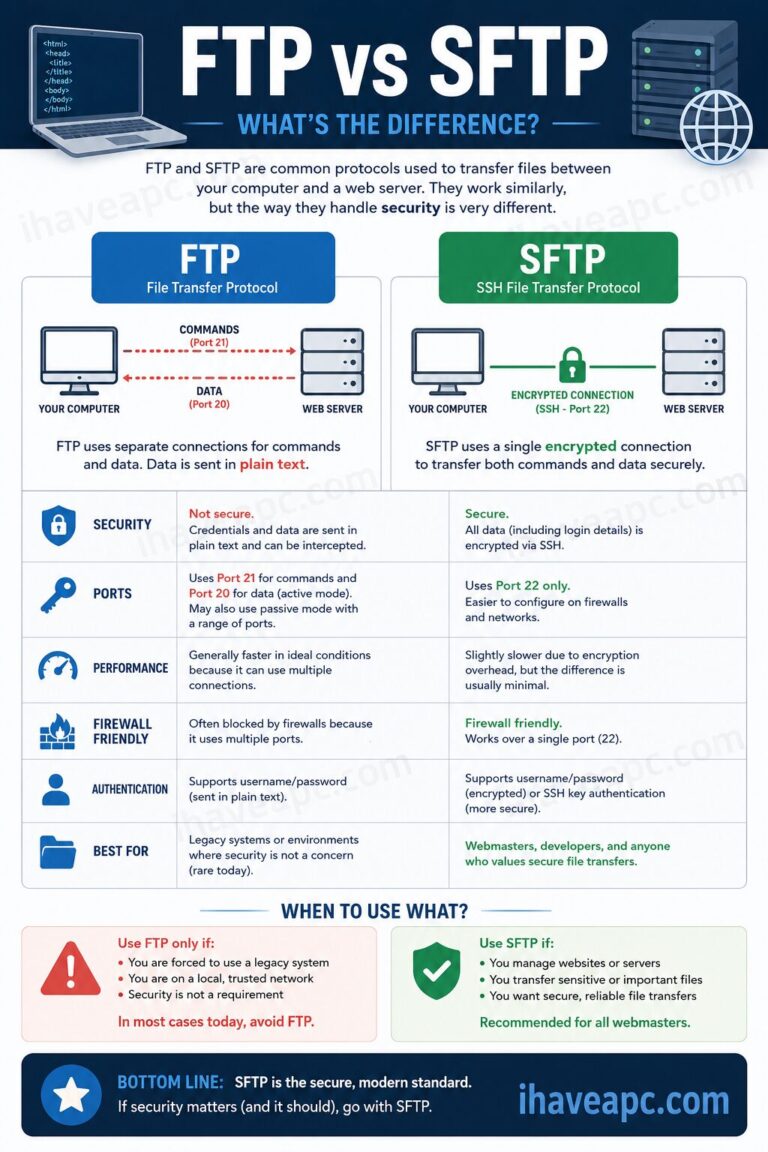
If you’ve ever tried to access a website that’s blocked in your region or wanted to browse privately, you’ve probably come across the terms proxy and VPN.
At first glance, they might seem to do the same thing which is hiding your real IP address and letting you connect to the internet through another server. But they actually work in different ways and protect your privacy at different levels.
Let’s break it down in simple terms.
What is a Proxy Server?
A proxy server acts like a middleman between your device and the internet.

What happens when you use a proxy:
- Your internet traffic first goes to the proxy server.
- The proxy then connects to the website on your behalf.
- The website sees the proxy’s IP address, not yours.
When to use a proxy:
- To access region-blocked websites.
- For simple tasks like web browsing or checking prices from another location.
By the way, there are various online proxy services that you can use, you can also set up your own proxy server using Linux if you want to.
What it doesn’t do:
A proxy doesn’t encrypt your data. Anyone monitoring the connection (like your ISP) can still see what you’re doing.
What is a VPN?
A VPN (Virtual Private Network) also routes your traffic through another server, but with a big difference of encrypting everything you send and receive.
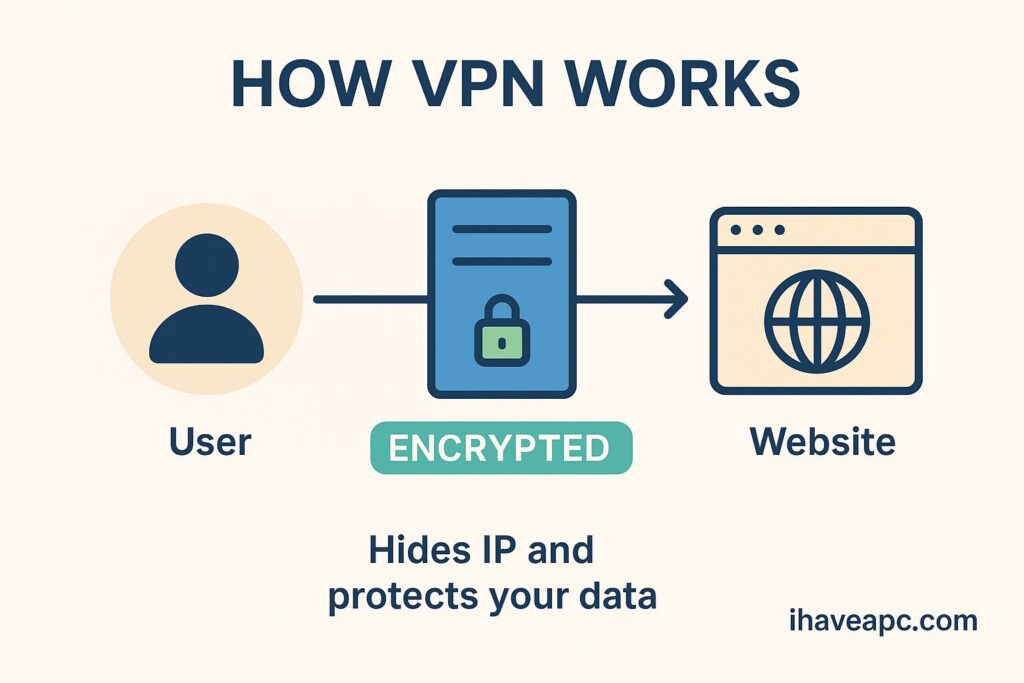
What happens when you use a VPN:
- Your data is encrypted (locked) before it even leaves your device.
- It travels securely to the VPN server.
- The VPN then forwards your request to the website.
This means that no one, not even your ISP or a hacker on public WiFi can see your online activity.
When to use a VPN:
- For privacy and data security.
- When using public WiFi.
- To hide browsing history or access content safely from another country.
Proxy vs VPN: Key Differences
| Feature | Proxy | VPN |
|---|---|---|
| Data Encryption | No | Yes |
| Security Level | Basic | Strong |
| Speed | Often faster | Can be slightly slower due to encryption |
| Use Case | Simple browsing | Privacy and secure browsing |
| Covers Entire Device? | Usually just one app/browser | Entire device/network traffic |
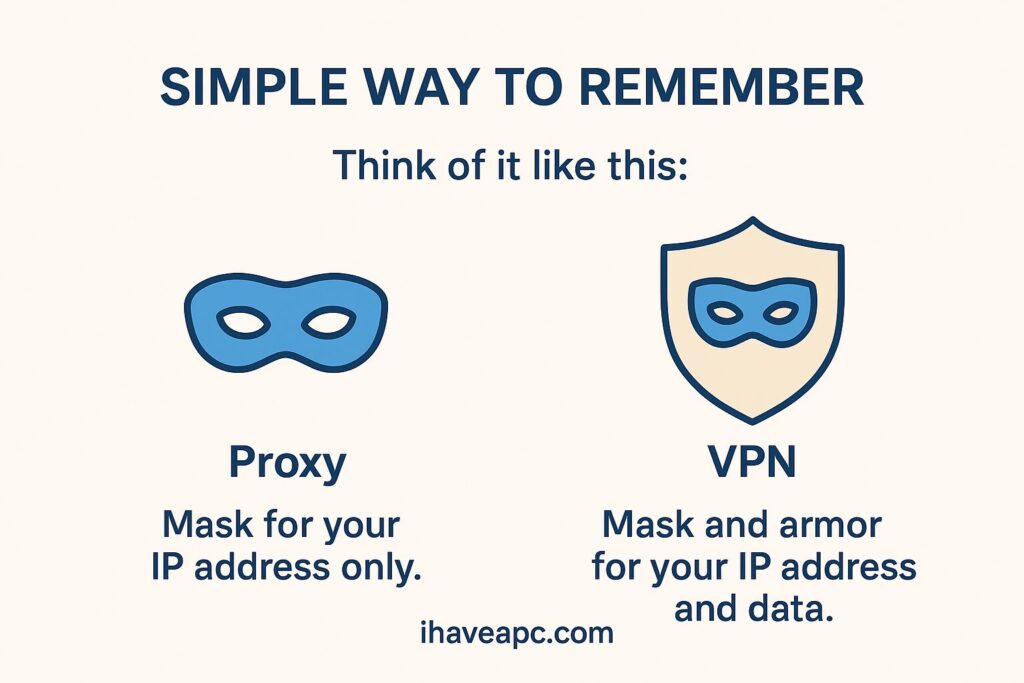
Simple Way to Remember
Final Thoughts
If all you want is to access blocked content or appear from another region for light browsing, a proxy might be enough.
But if you care about privacy, security, and protecting your online identity, a VPN is the better choice and ideally a one that requires you to pay for it’s services. Here is one such VPN review from before.
Both of these tools serve a purpose, but when it comes to keeping your connection safe and private, VPNs go the extra mile.
Happy browsing.