A Realistic Guide to Breaking the SM Doom Scrolling Loop
It’s 6:30 AM. Your alarm goes off. Before your eyes are fully open, before your feet touch the floor, and certainly before you’ve had a coherent thought, your hand performs that familiar, zombie-like reach to the nightstand. You grab your phone. Just a quick check of the weather, right?
Twenty minutes later, you know that your third cousin’s dog has anxiety, you’re outraged by a political headline you only half-read, and you’ve watched a stranger organize their pantry in aesthetically pleasing glass jars. You are now running late, and your brain already feels like a chaotic browser with 45 tabs open.
Welcome to the club. We all have lifetime memberships.
If you feel like your phone has morphed from a helpful tool into a demanding Tamagotchi that feeds on your attention span, you are not alone. More importantly, it’s not entirely your fault. You aren’t weak-willed or lazy. You are simply up against some of the smartest engineers and behavioral psychologists on the planet who designed these platforms with one singular goal: to keep your eyeballs glued to the screen.
It’s time to fight back. Not by throwing your phone in a river and becoming a hermit, but by reclaiming control over your own attention.
The Engineered Obsession: Why You Can’t Look Away
To break the habit, you have to understand the trap. Social media apps aren’t just photo albums anymore; they are sophisticated behavior modification machines.
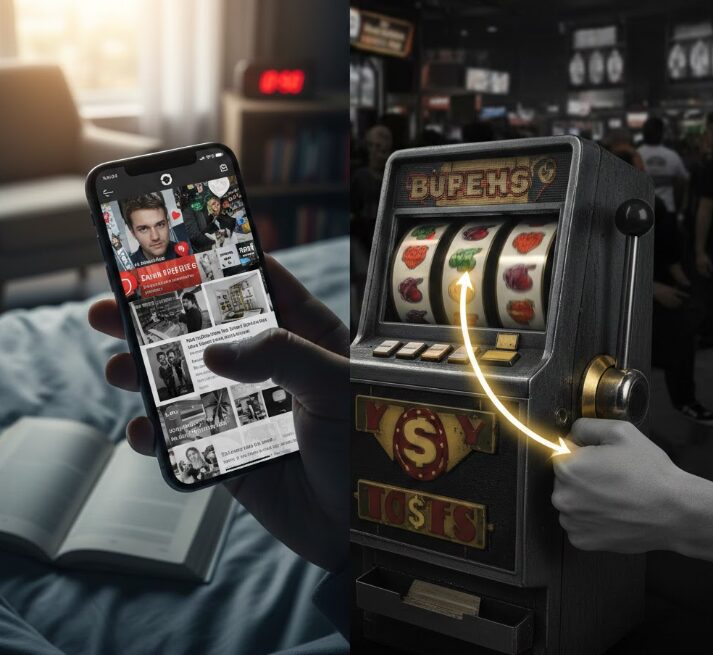
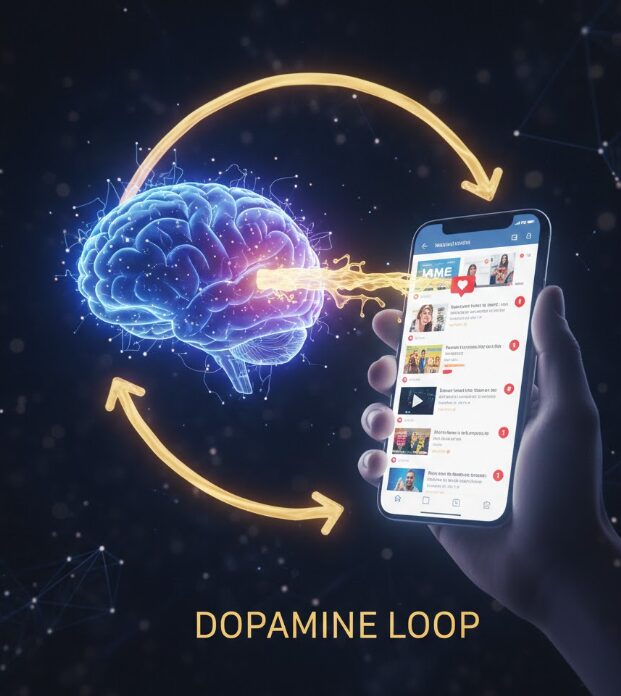
They operate on what psychologists call “intermittent reinforcement.” It’s the exact same psychological principle that makes slot machines addicted. When you pull down to refresh your feed, you don’t know what you’re going to get. A funny meme? A dopamine hit of a “like”? An infuriating news story? The uncertainty is the hook. Your brain releases dopamine not just when you get a reward, but in anticipation of the possibility of a reward.
Then there is the “infinite scroll.” In the old days, you finished reading a page and had to decide to turn it. Now, the content never stops loading. There are no stopping cues, no natural breakpoints to let your brain catch up and ask, “Am I still enjoying this?”
This isn’t harmless fun. The medical and psychological community is increasingly sounding the alarm on what this constant connectivity is doing to us.
- The Mental Health Toll: Research has established significant links between heavy social media use and increased rates of anxiety, depression, and feelings of loneliness. It turns out, constantly comparing your behind-the-scenes reality to everyone else’s highlight reel is bad for your psyche.
- The Attention Span Crisis: Our brains are becoming wired for constant task-switching. The rapid-fire nature of short-form video content (like TikTok or Reels) is actively shrinking our ability to focus on deep, sustained work. We are training ourselves to become bored in seconds.
The Battle Plan: Reclaiming Your Brain
Knowing the science helps reduce the shame, but it doesn’t fix the problem. We need practical tactics to break the cycle of mindlessness. We need to introduce “friction.” We want to make checking social media just annoying enough that your lazy brain decides it’s not worth the effort.
Here is a realistic, human-tested battle plan for breaking the doom scrolling habit.
1. The “Nuclear Option” for Notifications
This is non-negotiable. If your phone buzzes every time someone “likes” a photo you posted three years ago, you have lost the battle before it begins. Those red numbered badges are visual anxiety bombs designed to trigger a reaction.
Go into your settings right now. Turn off all non-essential notifications. Keep texts and calls; kill everything else. Instagram does not need to notify you that a friend of a friend is live streaming. Your peace of mind is worth more than knowing instantly that a semi-acquaintance commented “🔥🔥🔥” on your post.
2. The Physical Separation
We tend to scroll because the phone is literally attached to our bodies. If it’s within arm’s reach, you will grab it.
- Buy an Alarm Clock: The single best thing you can do for your mental health is to banish your phone from the bedroom. “But I use it for my alarm!” is the addict’s favorite excuse. Buy a $15 digital clock. Your bedroom should be a sanctuary for sleep and intimacy, not a portal to the entire shouting world.
- The Bathroom Rule: Let’s be honest. You take it to the bathroom. Stop it. You don’t need mental stimulation for those three minutes. Read the back of a shampoo bottle like our ancestors did.
3. Introduce Digital Friction
Make your phone boring and difficult to navigate.
- Grayscale Mode: Most phones have an accessibility setting that turns the screen black and white. Suddenly, those vibrant Instagram photos look like drab newspaper clippings. It’s amazingly effective at killing the dopamine rush.
- Hide the Dealers: Move your problematic apps off your home screen. Buried them inside a folder on the third page of your apps. Better yet, delete the app entirely and force yourself to use the clunky mobile web browser version if you absolutely must check it. The extra seconds it takes to log in are often enough to make you realize you don’t actually care.
4. The “Replacement” Strategy
When you stop scrolling, you will feel a void. It’s boredom, mixed with a twitchy need to do something with your hands. If you don’t have a plan for that void, you will relapse.
You need analog alternatives readily available. Put a book on your coffee table. Have a crossword puzzle handy. Learn to just sit and stare out a window for five minutes without panicking. Rediscovering the lost art of boredom is crucial; boredom is where creativity and actual thought happen.
Progress, Not Perfection
You aren’t going to cure your scrolling habit in a day. You will relapse. You will find yourself at 11:00 PM deep in a Reddit thread about ancient Roman concrete. That’s okay.
The goal isn’t to become a digital monk. The goal is to move from mindless usage to mindful usage. It’s about catching yourself in the act, recognizing the engineered trap, and having the tools to gently put the phone down and rejoin the real world.
The real world is pretty interesting, too, it’s just higher resolution and doesn’t have a “like” button.

The Invisible Burnout: How Digital Life Spikes Cortisol
Wired but Tired: Understanding and Conquering Digital Fatigue