When working with video files, most people are familiar with formats like MP4 or AVI. However, two other formats, FLV and MKV, are also widely used, even though they are less commonly discussed.
You may come across them when downloading videos, watching online content, or managing a personal media library.
This article explains what FLV and MKV files are, why they exist, and how they differ, in simple terms.
What is FLV?
FLV (Flash Video) is a video format designed for online video streaming. It became popular in the early days of the web when videos needed to load quickly on slower internet connections.
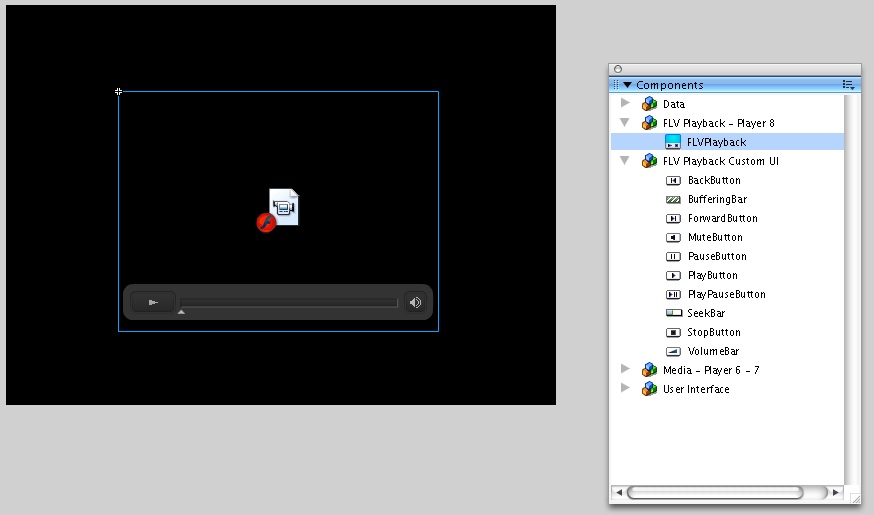
Key points about FLV:
- Designed mainly for online streaming.
- Uses smaller file sizes, making it faster to load.
- Commonly used by older websites and legacy platforms.
- Often requires specific players or browser support.
FLV files were heavily used when Adobe Flash was common. Today, Flash is largely discontinued, but many older video files and archives still use the FLV format.
What is MKV?
MKV (Matroska Video) is a modern and flexible video format designed to store high-quality media. Unlike FLV, MKV is still actively used and supported today.

Key points about MKV:
- Can store video, audio, subtitles, and chapters in one file.
- Supports high-definition and ultra-high-definition video.
- Popular for movies, TV shows, and personal media collections.
- Works well with modern media players.
MKV is especially useful when a single video needs multiple audio languages or subtitle options.
Which format should you use?

- Choose FLV if you are dealing with older web videos or legacy content that was originally made for online streaming.
- Choose MKV if you want better quality, subtitles, multiple audio tracks, or long-term storage of videos.
For most users today, MKV is the better and more future-proof choice.
Final thoughts
FLV and MKV serve very different purposes. FLV was built for a time when internet speeds were slow, and streaming efficiency mattered most.
MKV, on the other hand, is designed for flexibility and quality, making it ideal for modern video consumption.
Understanding these formats helps you choose the right file type, avoid compatibility issues, and manage your video library more effectively, regardless of whether you are a casual viewer or an advanced user.
Happy viewing.