How Social Media Breeds Low-Grade Anxiety
We’ve all done it. You have a spare thirty seconds while waiting for coffee, or a brief lull between work tasks, and your thumb automatically navigates to your favorite social media app. You tell yourself you’re “just checking” for a quick hit of entertainment.
But instead of feeling refreshed, you close the app feeling slightly more tired, a little hollow, and oddly tense. This isn’t a coincidence. It is the result of low-grade stress: a quiet, background anxiety triggered by the constant checking of social media.
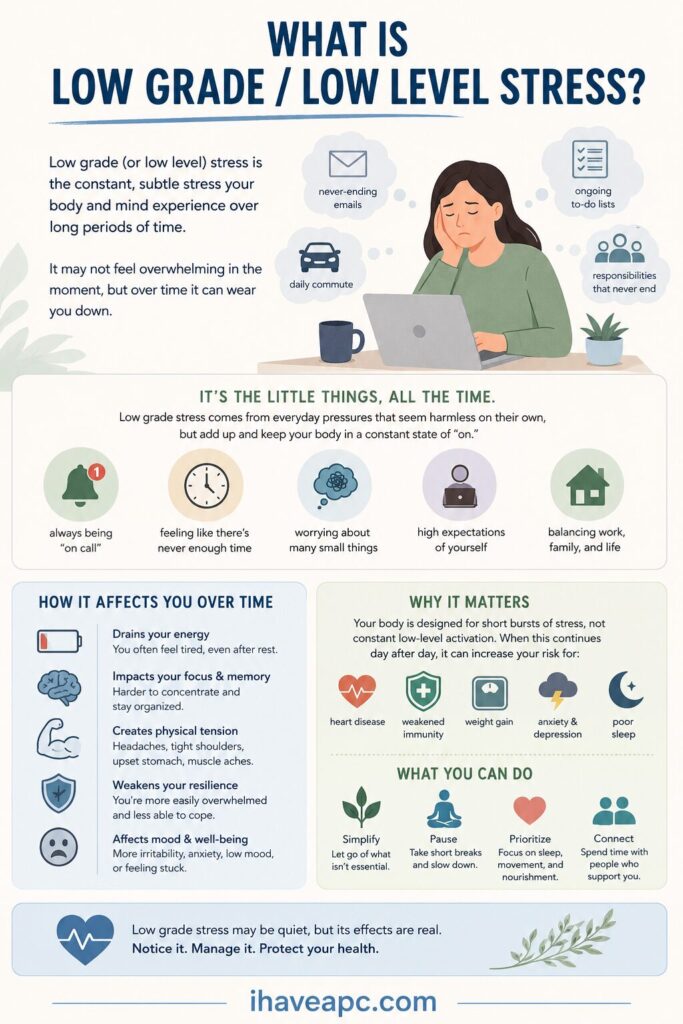
Unlike acute stress (like giving a big presentation), low-grade stress operates like a leaky faucet, slowly draining your mental energy throughout the day without you even realizing it.
Why “Just Checking” Constantly Puts Your Brain on High Alert
Every time we open an app, we subject our brains to an unpredictable cocktail of information. In the span of a single two-minute scroll or watching reels, you might see a tragic news headline, a friend’s tropical vacation, a political argument, and an ad for a product you didn’t know you needed.
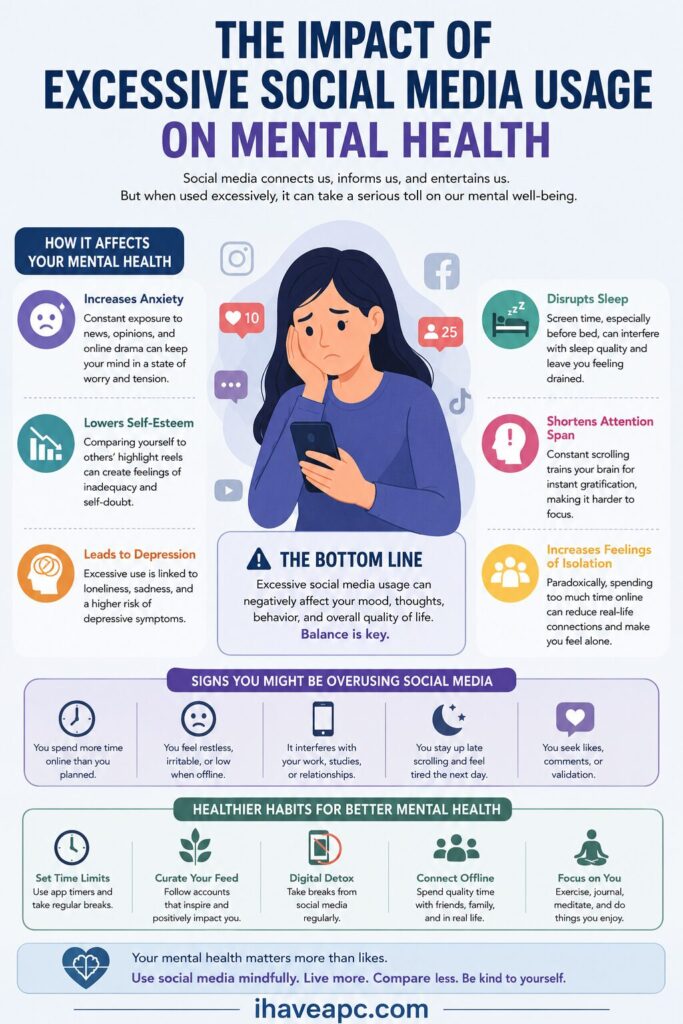
This rapid-fire shift in context causes several things to happen behind the scenes:
- The Dopamine Rollercoaster: Social media relies on “variable reward schedules”, it is the same psychological trick used by slot machines. You don’t know if the next scroll will bring a funny meme or a stressful notification. This unpredictable loop keeps your nervous system in a state of hyper-vigilance.
- Micro-Comparisons: Even subconsciously, your brain processes peers’ highlights reels against your mundane reality. These micro-doses of FOMO (Fear of Missing Out) or inadequacy trigger subtle threat responses in the brain.
- Cognitive Fragmentation: Constantly switching your attention between real life and the digital world prevents your brain from entering a deep, restful focus. You are left in a state of continuous partial attention, which is exhausting.
The Reality Check: You aren’t actually relaxing when you scroll; you are forcing your brain to rapidly process, categorize, and emotionally react to disparate pieces of information.
The Signs You are Experiencing Low-Grade Digital Stress
Because this type of stress is a low hum rather than a loud alarm, it can be hard to spot. Here are a few telltale signs:
- Phantom Vibrations: Reaching for your phone because you thought it buzzed, even when it didn’t.
- Increased Irritability: Finding yourself shorter with family or coworkers after a scrolling session.
- The “Urge to Check”: Feeling a physical restlessness or spike in anxiety if you are separated from your phone for more than twenty minutes.
- Brain Fog: Feeling mentally fatigued despite not doing heavy cognitive work.
Practical Ways to Turn Down the Volume
You don’t need to throw your phone into the ocean or delete all your accounts to fix this. Mitigating low-grade stress is about creating intentional speed bumps between your impulse to check and the app itself.
Shift Your Notification Strategy
If your phone is constantly lighting up, your nervous system never gets to rest. Move from reactive to proactive consumption.
- Turn off all non-human notifications: If a real person didn’t send it directly to you, it shouldn’t be interrupting your day. Turn off likes, retweets, and algorithmic “suggestions.”
- Use “Batching”: Check your apps at designated intervals (e.g., late morning, after lunch, and early evening) rather than letting them bleed into your entire day.
Redesign Your Digital Environment
Make bad habits harder to execute and good habits easier.
- Move apps off the home screen: Hide social apps inside folders on your second or third screen page so you can’t click them mindlessly.
- Phone friction-maxxing: Go grayscale. Turning your phone screen to black-and-white strips the apps of their vibrant, eye-catching appeal, making the experience instantly less rewarding to your brain.
Swap the Trigger
We often check social media due to specific emotional triggers like boredom, loneliness, or work stress. Try rewiring the loop by replacing the habit with a lower-stimulation alternative.
| The Trigger | The Habitual Reaction (High Stress) | The Mindful Reset (Low Stress) |
| 5 minutes of boredom | Open Instagram / TikTok | Take 3 deep breaths or stretch |
| Waking up in the morning | Immediately check notifications | Drink a glass of water; no phone for 15 mins |
| A difficult task at work | Doomscroll for “relief” | Walk away from the screen for a 2-minute water break |
Final Thoughts
Social media is a powerful tool for connection, but it is engineered to capture your attention at all costs, often at the expense of your peace of mind. By building small, intentional boundaries around how and when you check your feeds, you can plug the leak in your mental energy and swap that low-grade anxiety for genuine focus.
Happy digital wellbeing.
The Return of the Dial: Why “Dumbphones” Are the Smartest Move
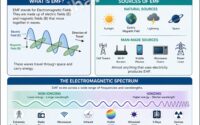
EMF and Digital Wellness