The Return of the Dial: Why “Dumbphones” Are the Smartest Move
We’ve all been there: you open your smartphone to quickly check the weather, and forty-five minutes later, you wake up from an algorithmic fugue state, deeply immersed in short videos about competitive lawn mowing.
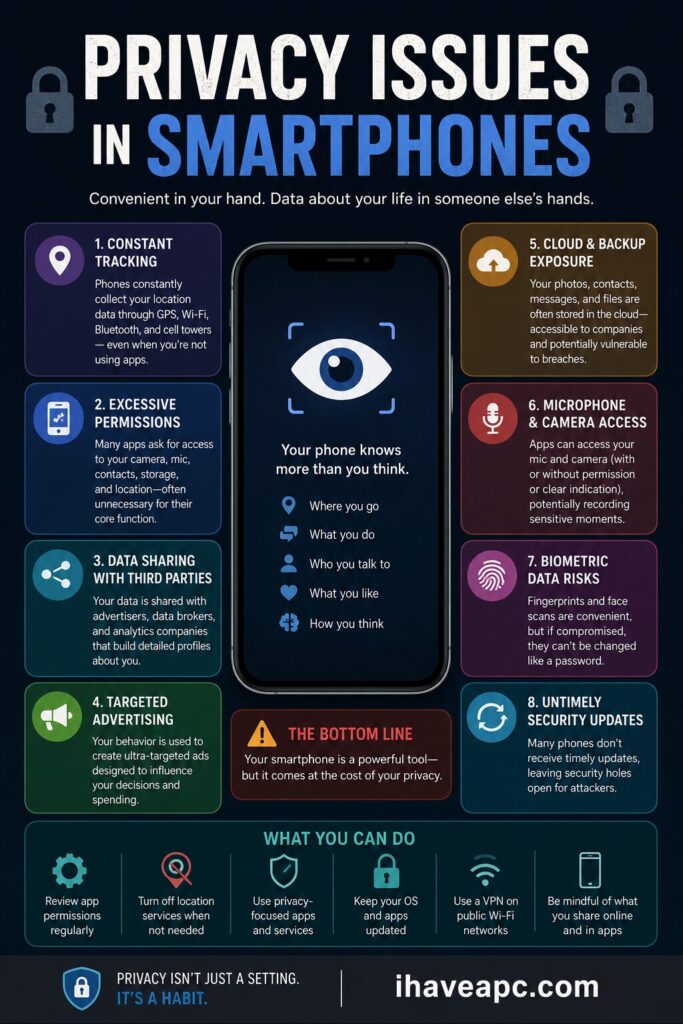
Smartphones are arguably the most powerful tools ever invented. They house our banks, our maps, our memories, and our social circles. But this extreme convenience comes at a steep price: our digital hygiene is in shambles, our personal data is constantly harvested, and our attention spans are completely frayed.
Because of this, the dumbphone renaissance is thriving. What started as a niche digital detox trend has evolved into a major cultural shift. Choosing a basic feature phone or a minimalist device isn’t about throwing away modern tech; it’s simply about establishing healthy boundaries.
Why Going “Dumb” is Actually Brilliant
At their core, dumbphones offer an escape hatch from the attention economy. Trading a glossy touchscreen for tactile buttons or a simple monochrome display comes with several immediate advantages:
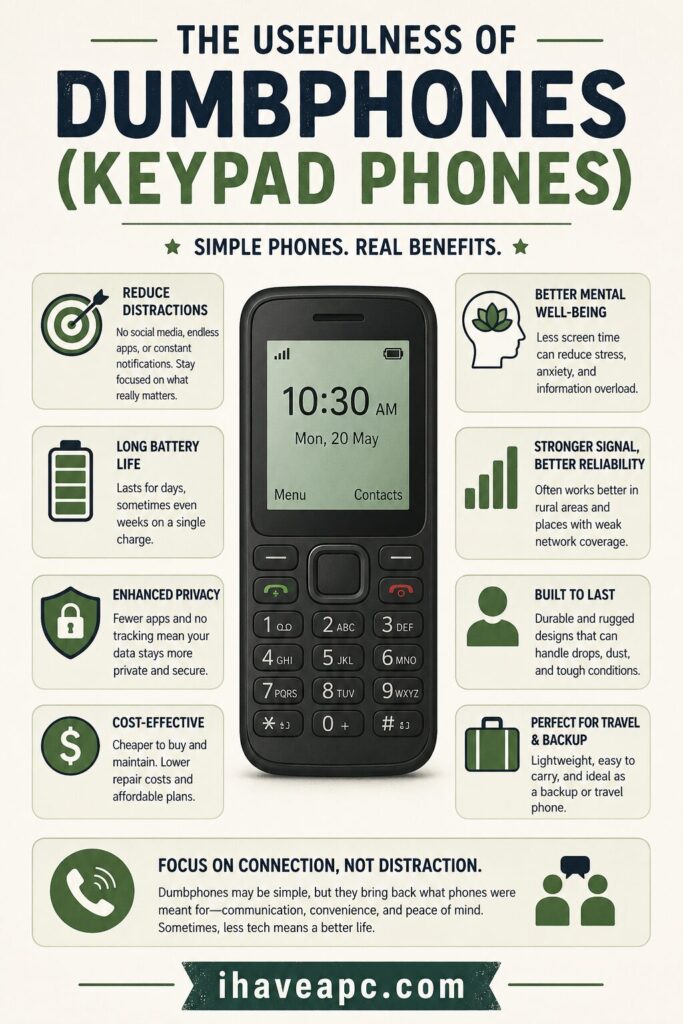
- Ironclad Privacy: Smartphones are effectively tracking beacons. Between precise location history, app permissions, and background data syncing, you are constantly feeding corporate data brokers. Dumbphones inherently lack the complex tracking architecture that monitors your every move.
- The Battery Life Myth Made Real: Remember when you didn’t have to carry a external power bank everywhere? Basic feature phones require minimal energy. A single charge can easily last days, sometimes even weeks giving you true unplugged freedom.
- Reclaiming Your Brain: Without push notifications, infinite scrolls, or bright red badge icons engineered to trigger dopamine spikes, your phone becomes a passive tool again. It waits for you to use it, rather than constantly demanding your attention.
A Quick Reality Check: The average smartphone user interacts with their device over 2,500 times a day. Switching to a dumbphone forces you to replace mindless swiping with actual, uninterrupted thoughts.
Navigating a Touchscreen World: The Workarounds
Let’s be candid: today’s infrastructure is explicitly built for smartphones. From scanning QR codes for restaurant menus to receiving two-factor authentication tokens or hailing rides, going completely off-grid can feel intimidating.
Fortunately, navigating the modern world with a minimalist phone doesn’t mean living like a hermit. Minimalists use a few clever workarounds to bypass the smartphone ecosystem:
1. The “Two-Device” Separation
Instead of relying on your phone for absolutely everything, delegate complex tasks to a laptop or a home-bound tablet. Do your banking, travel bookings, and heavy messaging on a computer before you leave the house. When you step outside, your dumbphone ensures you’re reachable for voice calls and essential texts, but completely insulated from the noise of the internet.
2. The Hybrid Dumbphone
The minimalist hardware market has evolved significantly. Devices like the Light Phone, Punkt, or various paper-like E-ink phones operate on stripped-down versions of Android. They don’t have web browsers or social media feeds, but they do include critical modern utilities like GPS mapping, hotspot tethering (to share internet with your laptop on the go), and encrypted messaging channels like Signal or WhatsApp.
3. “Dumbing Down” Your Current Device (The Software Route)
If buying brand-new hardware feels too extreme, you can transform your current smartphone into a minimalist haven. By installing custom text-based launchers (such as minimalist phone or Olauncher) and switching your screen display to grayscale, you strip away the visual dopamine triggers while keeping your necessary work apps intact.
Weighing the Scale: Pros vs. Cons of Dumbphones
To help you evaluate if this lifestyle shift fits your daily routine, here is a quick breakdown of what you stand to gain and what you’ll have to compromise on.
| The Pros | The Cons |
| Massive time savings: Often hands you back hours of free time every single day. | Initial friction: Navigating public spaces takes more effort (e.g., asking for a paper menu instead of a QR code). |
| Zero battery anxiety: Travel for days without hunting for a wall outlet. | Functional-only cameras: Photos are strictly for utility, not high-end social media aesthetics. |
| Reduced stress & fatigue: No algorithmic content feeding you outrage or comparisons. | Slower input: Re-learning a physical keypad or a T9 typing system takes patience. |
| Unmatched privacy: Drastically reduces your digital footprint and data tracking. | Logistical hurdles: Hailing an on-demand ride share or using specific digital IDs becomes tougher. |
The Choice is Yours
Ultimately, the goal isn’t to villainize technology, smartphones are incredibly useful when managed correctly. The real question is who is in control: are you using your phone, or is your phone using you?
Switching to a dumbphone doesn’t have to be an all-or-nothing, permanent lifestyle commitment. Many people successfully use them as “weekend phones” to fully disconnect with family and friends, while keeping their smartphone tucked away in a drawer until Monday morning.
Whether you choose a classic flip phone, a high-end minimalist E-ink device, or simply decide to purge distracting apps from your current screen, reclaiming your time and privacy is entirely in your hands.
How much is your attention worth to you?

Phone Friction-Maxxing: Why You Should Go Grayscale

Smartphone Fatigue is Silently Sabotaging Your Health